
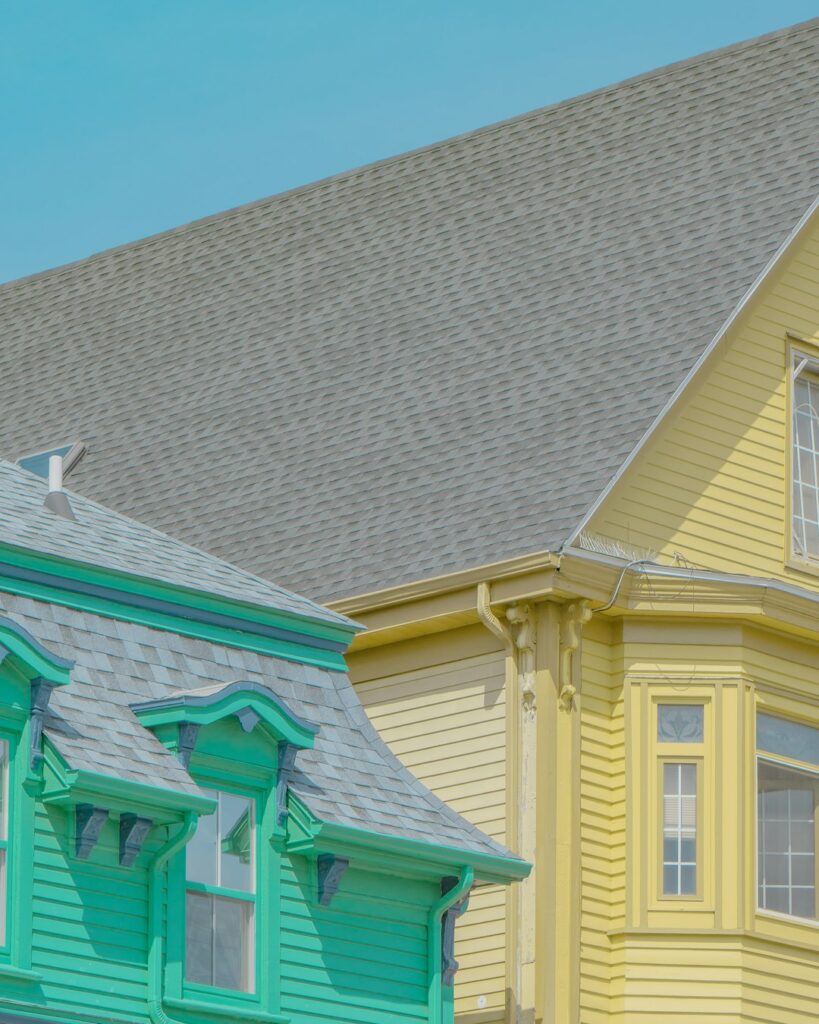
A roof color affects more than curb appeal. It influences how large or compact a home appears, how well exterior materials work together, how visible seasonal debris may be, and how comfortably the roof performs through changing weather. For homeowners in Tully, NY, the right choice should account for snow, moisture, shade, sunlight, and the existing character of the house.
What should be considered before choosing a roof color?
The most reliable starting point is the home itself. Roof color should support the siding, trim, masonry, windows, doors, and surrounding landscape rather than compete with them.
Look at the colors that are difficult or expensive to change. Brick, stone, permanent siding, metalwork, and painted trim usually have a stronger influence on the decision than seasonal decorations or furniture. A roof that matches one accent color but clashes with the main exterior can make the entire property feel visually unbalanced.
Consider these existing features:
- Siding color and texture
- Brick, stone, or concrete foundation tones
- Trim, shutters, doors, and window frames
- The color of gutters and other roof-edge components
- Nearby trees, exposed soil, and surrounding structures
- The architectural period and shape of the home
A useful approach is to identify whether the exterior feels mostly warm, cool, neutral, or mixed. Warm colors include tan, brown, cream, and muted red. Cool colors include blue, gray, green, and some charcoal shades. Neutral colors such as weathered gray, soft black, and blended brown can bridge several exterior tones.
Which roof colors work well with common siding colors?
The best pairing depends on the exact shade and undertone of the siding, but several combinations are generally dependable.
White or light siding can work with nearly any roof color. Dark gray, charcoal, brown, and weathered blends create contrast, while medium gray or muted green produces a softer appearance.
Gray siding is flexible but should be examined closely. Blue-gray siding often looks better with charcoal, slate, or cool gray roofing. Gray with beige or brown undertones may pair more naturally with brown, tan, or a blended neutral roof.
Beige, cream, and tan siding usually coordinate well with brown, weathered wood tones, muted black, and medium gray. A roof with subtle color variation can keep a light exterior from looking flat.
Blue siding commonly works with charcoal, slate gray, black, or certain gray-brown blends. Roofing with a strong red or orange cast may look disconnected unless similar warm accents appear elsewhere on the home.
Green siding can pair with brown, gray, black, or deeper green roofing. The shade matters: a soft sage exterior may need a quieter roof, while a darker forest green can support stronger contrast.
Red or brick-colored exteriors often look balanced with charcoal, black, brown, or weathered gray. A roof that is also strongly red may create too much of a single color unless the architectural style specifically supports that look.
Does a dark roof make a house hotter?
A dark roof can absorb more solar energy than a light roof, especially during direct summer sun. However, roof color is only one part of the temperature equation. Attic ventilation, insulation, roof pitch, roofing material, roof orientation, and the amount of shade also affect heat gain.
In a four-season setting, a dark roof is not automatically a poor choice. Dark surfaces may help snow and frost melt sooner in some conditions, but that does not eliminate the possibility of ice buildup at roof edges. Snowmelt that refreezes near eaves can contribute to ice dams when insulation, ventilation, and air sealing are inadequate.
A lighter roof may reflect more sunlight during hot weather, but choosing a light color does not replace proper attic insulation and ventilation. Color should be considered alongside the roof assembly rather than treated as a standalone energy solution.
Should roof color be chosen based on snow?
Snow visibility is worth considering, but it should not be the main factor. Snow typically shows clearly on dark roofs, while lighter or blended colors may make light accumulation less noticeable. Dark shingles may also make bare areas appear sooner after partial melting.
The practical issue is not whether snow can be seen from the ground. It is whether the roof is properly designed and maintained for winter conditions. Roof slope, flashing, ventilation, drainage, and the condition of the shingles have much more influence on winter performance than color.
For homes surrounded by trees, a medium or blended roof color may also make leaves, small twigs, and uneven weathering less noticeable than a very uniform dark or light roof.
How does roof color affect the apparent size of a home?
Dark roofs tend to create a stronger visual boundary and can make a roofline look more compact. This may suit a larger, taller home or a design with light siding and substantial trim.
Light or medium roof colors generally create a softer transition between the roof and walls. They may help a smaller or lower-profile home appear more open, especially when the siding and roof are similar in value.
The shape of the roof matters as well. A complex roof with dormers, intersecting slopes, or multiple gables may benefit from a quieter color blend. A simple roofline can often support stronger contrast without appearing overly busy.
Are blended shingles better than solid-color shingles?
Blended shingles can be useful when the goal is to add depth or disguise minor visual changes caused by weather, shade, and normal aging. They often include several related tones rather than one uniform color.

Solid-looking shingles create a cleaner, more deliberate appearance. They may be a better fit for modern, minimalist, or strongly symmetrical homes.
Neither option is automatically more durable. Color variation is primarily an appearance choice. The quality of the roofing product, installation, ventilation, flashing, and maintenance has a greater effect on service life.
It is also wise to view a large sample outdoors. A small sample can look very different when repeated across an entire roof, especially under bright sun, cloudy skies, or surrounding tree shade.
Should the roof match the house or contrast with it?
A roof does not need to match the siding exactly. Exact matching can make the exterior appear flat, while excessive contrast can make the roof dominate the house.
A coordinated contrast is usually more successful. For example, a pale exterior may support a medium or dark roof, while a dark exterior may look more balanced with a medium-value roof rather than the darkest available option.
The roof can also connect separate exterior elements. A brown roof may tie together tan siding, natural stone, and warm wood trim. A charcoal roof may connect gray siding, black window frames, and dark gutters.
What mistakes should be avoided?
Several common choices create problems that are difficult to correct after installation:
- Choosing from a tiny indoor sample without viewing it outside
- Ignoring the undertones in siding, brick, or stone
- Selecting a color based only on a neighboring home
- Assuming the darkest color is always the most dramatic or attractive
- Forgetting that tree shade changes how the roof appears
- Treating roof color as a substitute for insulation or ventilation
- Overlooking neighborhood rules, historic guidelines, or association requirements
- Choosing a highly distinctive color that may limit future exterior updates
Homes in the area may experience snow, freeze-thaw cycles, damp conditions, and extended periods of shade from mature trees. A color that looks ideal in a bright showroom can appear considerably different under local seasonal light.
What is a practical way to make the final decision?
Begin by photographing the house from the street and reviewing several roof colors digitally or with large outdoor samples. Compare them in morning light, afternoon light, and overcast conditions if possible.
Evaluate each option from a distance, since a roof is usually viewed from the road or neighboring properties rather than close up. Check whether the color supports the siding, trim, masonry, and landscape without drawing attention away from the home.
Finally, separate appearance questions from performance questions. Roof color affects visual character and some solar behavior, but proper installation, drainage, attic ventilation, insulation, and flashing remain central to roof performance through the region’s changing seasons.
