
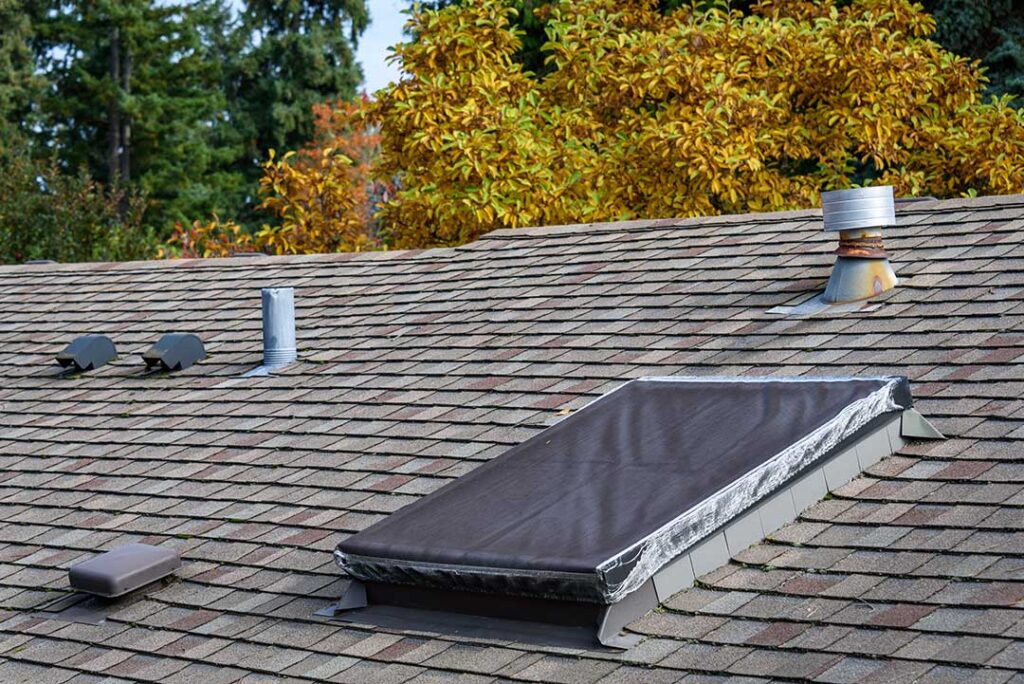
Why Does Roof Preparation Matter Before Hurricane Season?
Strong winds and heavy rains during hurricane season can cause extensive roof damage, especially in areas with mature trees and older housing stock like Tully, NY. Taking preventive steps helps protect both the roof structure and everything beneath it.
Ongoing maintenance, minor repairs, and smart planning reduce the risk of leaks, shingle loss, and structural failure. For area residents, this can mean the difference between minor cleanup and major water damage or costly repairs.
What Steps Should Tully Households Take Ahead of Storms?
The most effective way to prepare is through a mix of visual inspection, small fixes, and yard management.
Pre-storm tasks often include:
- Cleaning gutters and downspouts to ensure water runs off efficiently
- Replacing missing, curled, or cracked shingles
- Checking for, and resealing, exposed nail heads and flashing points
- Securing loose roofing materials around vents, skylights, and chimneys
- Trimming or removing overhanging branches that could fall or scrape the roof
Tully’s mix of shade trees and windy exposure mean that roof debris and organic material can compound storm impacts. ‘Wind tunnels’ along open roads can also lift loose shingles if not properly fastened.
How Do Gutters and Downspouts Affect Hurricane Readiness?
Well-functioning gutters keep heavy rain from backing up onto the roof or pooling at the foundation.
Before hurricane season:
- Remove leaves, twigs, and shingle granules from gutters and valleys
- Confirm that downspouts direct water at least three feet away from the home’s foundation
- Inspect attachment points — loose gutters can pull free or bend in high winds, causing additional roof or siding damage
Neglecting these often results in water finding its way under shingles, especially in the freeze-thaw cycles that follow summer storms in the region.
What Roof Areas Are Most Vulnerable in This Region’s Storms?
Roofs in the area typically feature asphalt shingles or older metal panels, both of which have potential weak spots.
Key areas to check:
- Eaves and rakes, as wind can lift shingles from edges first
- Roof valleys, which may funnel more water and debris during storms than flat sections
- Flashing around chimneys, skylights, and vent stacks—often a source of small leaks that grow after pressure changes from wind
- Roof-to-wall intersections, where driving rain may exploit small gaps
Old satellite dish mounts, disconnected antennas, and small rooftop structures are especially vulnerable. Removing or securing these prevents them from becoming wind-borne hazards.
Can Residents Perform Inspections Themselves Safely?
Walking on a roof is risky, particularly on steep or slippery surfaces. Many inspections can be performed from the ground with binoculars or from a sturdy ladder at the eaves.
It’s safe to inspect visually for:
- Lifted or missing shingles (dark or shiny patches)
- Dented, rust-streaked, or dislodged flashing
- Gutter blockages or sagging
- Branches, pine needles, or moss buildup

Standing water, soft roof decking, or obvious sagging should not be investigated further by homeowners; these are signs of structural concerns that need a qualified assessment for personal safety.
Are There Seasonal Roofing Steps Unique to Tully?
Yes — the climate here brings unique timing and risks compared to coastal or southern regions. The overlap of hurricane season with late summer thunderstorms and early autumn leaf drop means roofs face both wind and organic debris.
Local tips:
- Schedule heavy cleaning and trimming before late August, as peak hurricane threats often align with leaf buildup.
- If possible, have back-up tarps and roof patch materials on hand. Extended waits for post-storm repairs are common due to rural supply lines.
- Check roof ridge vents and soffit vents for clogging from cottonwood fluff, seed pods, or acorns that can reduce attic ventilation during humid storms.
How Should Residents Respond After a Severe Storm?
After a major storm:
- Inspect attics and upper rooms for signs of water infiltration (drips, stains, or musty odors)
- Check the yard for shingle fragments or pieces of flashing that may indicate roof loss overhead
- Use caution around downed branches and power lines
Don’t attempt to patch large areas of torn or missing roof covering alone. While minor resealing of lifted shingle corners might be manageable, broader repairs require specialized skills due to safety and water-seal needs.
What Are Common Mistakes in Roofing Prep for Hurricanes?
Many homeowners in Tully assume newer roofs don’t need inspection or overlook secondary vulnerabilities like gutters or mechanical roof penetrations. Other frequent missteps:
- Covering vents or exhausts, blocking needed attic airflow
- Using temporary tarps not rated for wind or UV exposure
- Placing heavy objects on the roof to “hold down” loose shingles (often causes more damage)
Proper preparation doesn’t have to be complex but must be thorough and timely to match the area’s weather variability.
