
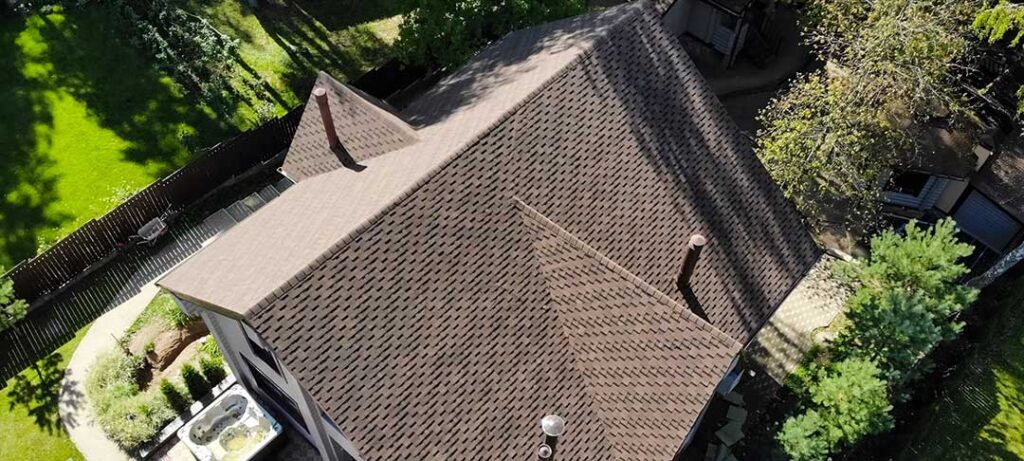
How Do Tree Limbs Come Into Contact with Roofs in Tully, NY?
In Tully, NY, residential neighborhoods and rural properties often feature large, mature trees that extend over rooftops. The area’s mix of older homes and wooded lots means roofs can be shaded or directly overlapped by branches. Seasonal storms, strong winds, or even gradual growth can cause limbs to brush against, rest upon, or fall onto roofing surfaces.
Local households frequently encounter situations where tree growth or weather exposes roofs to regular contact with branches. Over time, the frequency and intensity of this contact can have subtle but lasting effects.
What Kinds of Damage Can Tree Limbs Cause to Roofs?
Physical damage can happen in several ways, some of which aren’t immediately obvious. Even small or healthy-looking branches can contribute to wear and tear over months and years.
- The most common issues are:
- Shingle abrasion — As tree limbs move with the wind or under their own weight, they can scrape at asphalt or composite shingles. This slowly removes protective granules and exposes the material beneath to sunlight and moisture.
- Dented or cracked roofing materials — Larger limbs may press down with enough force to dent metal roofing, crack slate, or even break off sections of tiles.
- Punctures and roof leaks — During storms, heavy limbs that fall can puncture through membranes, flashing, or decking, leading to water entry during rain or snowmelt.
In many cases, the full extent of the damage isn’t visible from the ground and may not leak immediately, allowing problems to worsen before they’re detected.
Can Tree Limbs Affect Roof Longevity Even Without Storms?
Even absent dramatic storms or heavy winds, persistent tree limb contact still takes a toll. In Tully, where trees often grow close to homes, slowly scraping or overhanging branches may drain years from a roof’s expected lifespan.
Continual contact can:
- Disrupt roof surface coatings, hastening the deterioration of shingles.
- Encourage moss, algae, and mildew growth by shading parts of the roof so they dry out more slowly after rain or fog.
- Trap moisture and organic debris, which can accelerate rot or corrosion, particularly around flashing or ridge lines.
Over the seasons, these seemingly minor issues can combine to create leaks, rot, or premature failure far earlier than if the roof were free of overhanging growth.
Are There Safety Hazards for Residents?
Tree limbs above or in contact with roofs in Tully present several safety concerns. Heavy branches may fall during thunderstorms, ice storms, or under the weight of snow, which are not uncommon in the local climate.
Risks include:
- Sudden roof collapse or significant roof damage if a large limb falls unexpectedly.
- Injury risk during efforts to clear limbs or debris from a roof surface.
- Electrical hazards if branches dislodge and interact with overhead power lines running to houses.
For roofs situated close to taller, older trees—or where visible dead branches overhang living spaces—it is safer to avoid attempting limb removal without the necessary experience or equipment.
What Maintenance Practices Help Prevent Problems?
Local residents can take several practical steps to limit the impact of tree limbs on roofs without the need for professional help under normal conditions.
Suggestions include:
- Regularly walking the property to observe whether new growth is nearing or touching the roof—especially after spring growth or major wind events.
- Pruning smaller, reachable branches during late winter or early spring, which is typically best for tree health and minimizes regrowth near the roofline.
- Clearing fallen leaves, twigs, and debris from gutters and valleys to prevent water back-up and ice dams in winter.
- Inspecting roofs annually with a pair of binoculars or from a ladder to look for signs of wear, granule loss, or moss buildup where tree limbs have been close.
For many homeowners in Tully, ongoing vigilance throughout the growing season is all that’s required to maintain a healthy separation between trees and roof surfaces.

Do Overhanging Tree Limbs Always Signal a Need for Immediate Action?
Not all overhanging limbs are immediately dangerous or harmful to a roof. Healthy, well-pruned limbs that do not actually make contact, or sit well above the roofline (even if directly overhead), may pose little risk unless they show signs of disease, storm damage, or excess weight.
Common misconceptions include:
- Assuming all limbs near a roof are a problem—whereas only actual, recurring contact or precariously hanging dead branches require urgent attention.
- Believing that all fallen leaves contribute to rot—while organic material primarily becomes an issue when it accumulates in roof valleys or gutters and stays wet for long stretches.
It’s worth knowing that some mature trees offer cooling shade during hot summers, aid in reducing energy costs, and provide habitat for beneficial wildlife. The goal is to balance the benefits of trees with the real risks to a home’s structure.
How Can Tully’s Weather Patterns Make Tree Limb Contact Worse?
Tully’s climate features cold, snowy winters and humid summers. This influences both tree growth and roof vulnerability:
- Heavy snow or ice loads on limbs can cause increased sagging or breakage, leading to sudden roof impact events.
- Summer storms with strong gusts may bring down otherwise healthy branches if the tree canopy has been weakened by disease or pests.
- Wet conditions can accelerate organic debris breakdown in roof crevices where limbs rest, leading to faster deterioration of roofing membranes and flashing.
- Extended shade from dense canopies may cause areas of roof to remain damp, supporting algae and lichen communities that further abrade or stain roofing materials.
These seasonal challenges highlight why regular roof and tree maintenance is a year-round concern for the area’s households.
What Are Some Practical Ways Tully Residents Can Check for Tree-Related Roof Issues?
Residents can perform simple checks with minimal equipment. Start by:
- Looking for visible wear lines or matted areas of moss where a branch repeatedly drags across the roof.
- Examining attic spaces after storms for signs of moisture, staining, or daylight seeping in near tree-side eaves.
- Listening for scraping noises on windy days, which can indicate frequent branch contact not always visible from the ground.
- Marking the position of growing limbs each spring and fall to note changes in proximity to the home.
By integrating these checks into routine home and yard maintenance, local homeowners can often spot tree limb risks early, before they escalate to costly repairs.
